India Beat New Zealand by Four Runs (DLS) in the Second ODI at Wellington, With Gurnoor Brar Taking 4-30
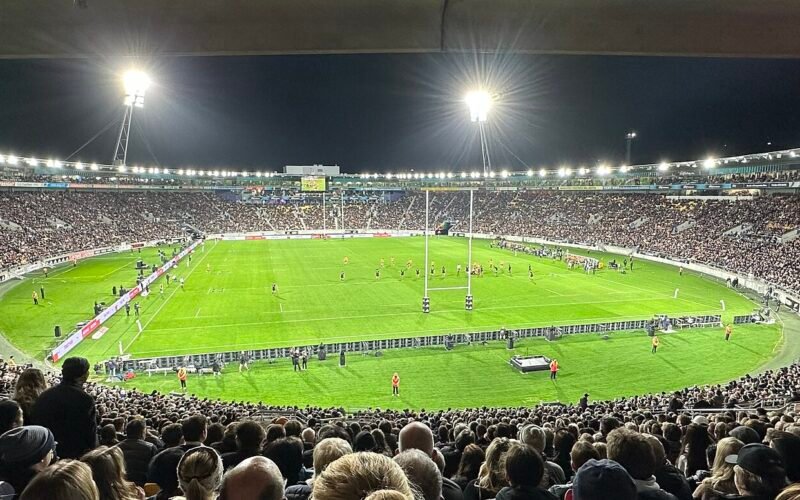
India beat New Zealand by four runs under the Duckworth-Lewis-Stern method in the second ODI at the Hnry Stadium in Wellington on Saturday, 7 November, after rain stopped play with India on 113 for 7 in a chase of 135. Gurnoor Brar took 4 for 30, a career best, and was named Player of the Match. India lead the five-match series 2-0.
The result came with an asterisk. India needed 22 more runs with three wickets in hand when the rain returned for good, and they were four runs ahead of the DLS par score at that moment. As Cricinfo’s report put it, that margin was “a measure of how close the match was”.
Brar and the pace attack take the match
The game started late after rain and a wet outfield, and was cut to 47 overs a side. Shubman Gill won the toss and chose to bowl. By the end of the powerplay New Zealand were 29 for 3, and Cricbuzz describes a two-paced pitch that offered movement.
Auqib Nabi took the first two wickets, Tim Seifert and Will Young. Anshul Kamboj bowled Henry Nicholls in the ninth. The Black Caps were 23 for 3 at one stage, and Daryl Mitchell and Tom Latham then put on 30 runs from 64 balls, a stand that went nowhere.
Brar ended it. In the 20th over he got Latham with a top-edged pull and then Glenn Phillips, who was out for a duck, in the same fashion. New Zealand were 53 for 5.
Mitchell and Santner hold the middle together
Mitchell scored 55 off 104 balls, with five fours and two sixes. He was dropped by Gill off Kamboj on the way, according to Cricbuzz, and it was his seventh score of 50 or more in his last nine ODIs against India. Mitchell Santner added 31 off 38 balls, and the pair put on 59 for the sixth wicket.
Then it fell apart again. Axar Patel had Mitchell caught, and in the next over Brar got Santner caught behind. The BCCI’s post on X from the moment shows both wickets back to back.
One brings two!
— BCCI (@BCCI) November 7, 2026
Axar Patel gets the breakthrough as Daryl Mitchell's leading edge finds Anshul Kamboj at long off.
Gurnoor Brar in the next over picks up the wicket of Mitch Santner, who is caught behind for 31 runs.
Live – https://t.co/pxZRYf6dYV #NzvIND #TeamIndia pic.twitter.com/w3fnSN2Miw
Image/video: BCCI (@BCCI) on X
New Zealand slid from 112 for 5 to 134 all out in 41 overs, according to NDTV. Kamboj finished with 2 for 25, Axar 2 for 28 and Nabi 2 for 31. Arshdeep Singh went wicketless but conceded 16 runs in seven overs, and the Indian bowlers sent down 176 dot balls, as The Times of India counted.
A record low for New Zealand at home against India
The Times of India reports that 134 is New Zealand’s lowest all-out total in a home ODI against India. The previous lowest was 142, in Auckland in 1994. The 185 they made at Eden Park in the first game is on that same list of low totals, and the paper notes this is the first time since 2001 that New Zealand have been bowled out for under 200 in back-to-back ODIs within a series.
For Brar the figures carry weight of their own. Outlook India and NDTV both list 4 for 30 as the second-best ODI return by an Indian fast bowler in New Zealand, behind only Javagal Srinath’s 4 for 23 at Auckland in 2003. He took 3 for 44 in the first match, according to ABP Live, and NDTV has him as the leading wicket-taker of the series with seven.
- New Zealand: 134 all out, 41 overs (Mitchell 55, Santner 31)
- India’s bowlers: Brar 4-30, Nabi 2-31, Kamboj 2-25, Axar 2-28
- India: 113 for 7, 26 overs (Iyer 30, Rahul 26 not out)
- Result: India won by 4 runs (DLS), series 2-0
The chase that nearly went wrong
A target of 135 looked routine on paper. It was not. Gill faced one ball from Jacob Duffy and edged it to second slip for a golden duck. Virat Kohli, on 7, drove uppishly to short cover off Duffy. Rohit Sharma made 23 off 28 balls, including two sixes, before he edged Kyle Jamieson to second slip, and India were 39 for 3 in the eighth over.
Axar fell to Matt Fisher soon after and India were 47 for 4. Fisher was on the field only because New Zealand had used a concussion substitute: Blair Tickner was struck on the helmet by a short ball from Kamboj in the 41st over, and as cricketnews.com explains, the ICC rules allow a like-for-like replacement. That is the kind of detail that decides a close game, and it came on a day when the Devon Conway concussion had already ruled Conway out of the rest of the series.
Shreyas Iyer and KL Rahul added 39 for the fifth wicket. Iyer made 30 off 46 before Jamieson got one to climb on him, which left India 86 for 5. Naman Dhir hit 12 off 16, Kamboj scored 1, and at 113 for 7 the rain came.
What Gill said
Gill was blunt about the batting. “It wasn’t easy out there. At one point we thought it might be an easy target, but we kept losing wickets, but got over the line in the end,” he said at the presentation, according to Hindustan Times.
He singled out the last two dismissals, those of Dhir and Kamboj. “The last two shots that we played (Dhir and Kamboj) didn’t look good. If we had lost this match, it would have been a stinker for us, but happy to get over the line.”
On Brar he was more generous. “He’s got the pace, he’s got the bounce. It’s all about how consistent he can be,” Gill said. Brar himself said: “Bowling here in New Zealand, the bounce and the pace really helped me, so I enjoyed it,” according to ABP Live.


Where the series stands
India won the first ODI at Eden Park by five wickets, also on DLS, after New Zealand were bowled out for 185. Our report on Kohli’s 74 off 51 balls has the detail. Our preview of this game noted the rain forecast, which turned out to matter more than anyone wanted.
The two wins have been very different. Auckland was a Kohli innings built on a pace attack that did enough. Wellington was a pace attack that did almost everything, and a batting order that, in Gill’s own words, got two shots wrong at the end. Our India cricket coverage will follow how the batters respond, and it also covers the retirement of Mohammed Shami from Test cricket on Friday.
The third ODI is at Hamilton on Tuesday, 10 November, with a start of 7.30 a.m. IST, according to NDTV’s fixture list. Two more games follow at Mount Maunganui on 13 and 15 November.
Sources: Cricinfo, Cricbuzz, Hindustan Times, ABP Live, The Times of India, Outlook India, NDTV Sports, cricketnews.com.
Photo: Tom Ackroyd / Wikimedia Commons, CC BY-SA 4.0. All Blacks v Australia, Saturday 28 September, Sky Stadium, Wellington.

